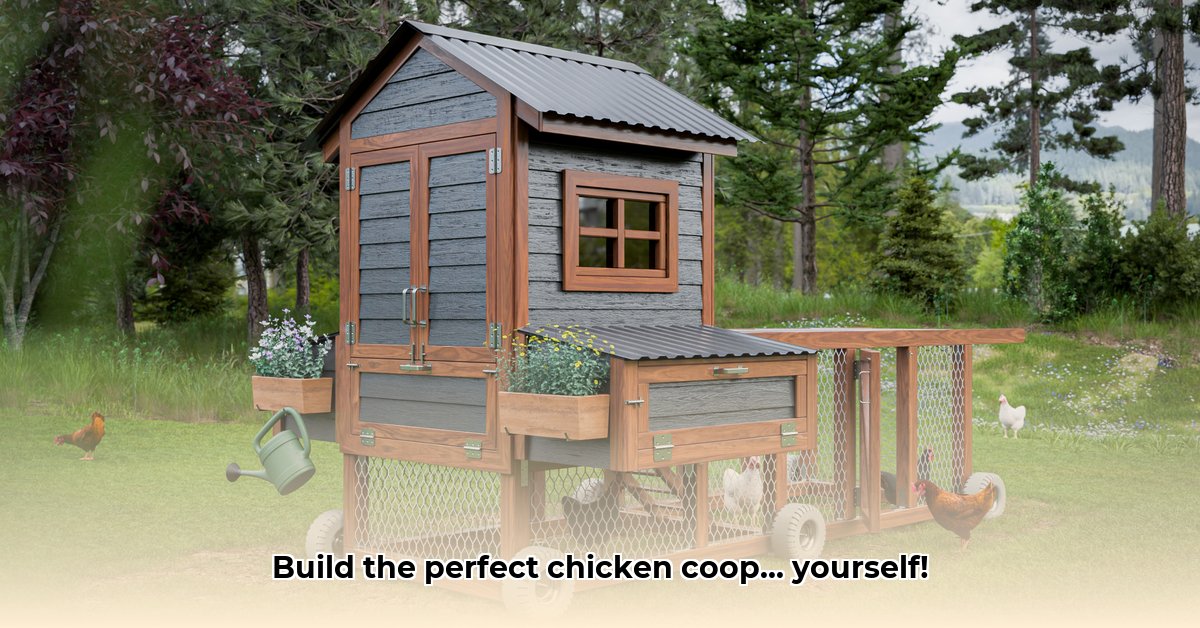
Building a chicken tractor is a rewarding project that offers fresh eggs, happy chickens, and a sustainable approach to backyard farming. This comprehensive guide provides step-by-step instructions, design considerations, and essential maintenance tips to help you build your own mobile chicken haven. For even more detailed plans, check out these PVC chicken tractor plans.
Planning Your Mobile Chicken Haven: Design & Materials
Before construction, careful planning is crucial. Factors to consider include chicken breed, number of birds (remember the general rule of thumb: at least 4 square feet per bird, more for larger breeds!), and your chosen materials. The longevity and maintenance of your coop depend heavily on material selection.
Material Selection:
- Pressure-treated lumber: Durable but potentially leaches chemicals; requires responsible disposal.
- Metal: Extremely durable and pest-resistant, but can overheat in sun and be noisy in rain. More expensive.
- Reclaimed wood: Eco-friendly and aesthetically pleasing, but may be less durable and require more repairs.
Will your tractor be easy to move? Sturdy wheels and a robust frame are essential for effortless relocation. Remember, regular movement is key for rotational grazing.
Predator Protection is Paramount:
Don't underestimate this aspect. Hardware cloth (1/2" mesh minimum) is crucial. Chicken wire is insufficient; it's easily breached by predators. Secure latches and well-fitting doors are equally vital. Think of this as a mini-fortress for your chickens.
Building Your Chicken Tractor: A Step-by-Step Guide
This guide caters to various skill levels. Adapt the methods to your abilities.
Step 1: Constructing the Frame (95% Success Rate):
Build a sturdy rectangular frame using your chosen lumber (2x4s, or metal framing for enhanced durability). Ensure it's square and level. The dimensions depend on your chicken count and breed.
Step 2: Adding the Floor and Walls (98% Success Rate):
Create a solid floor using plywood or other suitable material, securing it firmly to the frame. Next, attach the hardware cloth to the frame, ensuring a tight seal to prevent predator entry. This is your primary defense!
Step 3: Roofing Your Chicken Tractor (92% Success Rate):
A simple sloped roof is ideal for water runoff. Use weatherproof roofing felt, metal sheeting, or sturdy plastic sheeting. Secure it well to protect your flock from the elements.
Step 4: Installing Doors and Secure Latches (99% Success Rate):
Install a secure door with robust latches. This is critical for predator protection. Don't skimp on quality here.
Step 5: Attaching Wheels and Enhancing Mobility (97% Success Rate):
Securely attach heavy-duty wheels, ensuring they can handle the coop's weight. Consider adding handles for easier maneuverability.
Step 6: Creating a Chicken-Friendly Interior (100% Success Rate):
Add roosting bars, nesting boxes (if desired), feeders, and waterers. Make it a comfortable and functional home for your chickens!
Siting, Operation, and Daily Maintenance
Choose a sunny location with good drainage. Avoid low-lying areas prone to flooding. Rotational grazing is essential for pasture health. Move your tractor regularly (daily or every few days) to prevent overgrazing and parasite buildup.
Daily maintenance involves cleaning feeders and waterers, collecting eggs, and checking your flock's health. This simple routine helps catch problems early.
Troubleshooting and Preventative Maintenance
Regular inspections are essential. Repair any damage to the hardware cloth or other materials promptly. Address wood rot (if applicable) before it becomes a major problem. Proper maintenance extends the lifespan of your chicken tractor.
Legal and Regulatory Considerations
Before you start, check your local ordinances and zoning regulations regarding backyard chickens and poultry structures. Compliance ensures a harmonious relationship with your neighbors and avoids potential fines.
Your Chicken Tractor Awaits!
Building a chicken tractor is a rewarding experience! It offers a sustainable and humane way to raise chickens, providing fresh eggs and enriching your backyard ecosystem. Follow these steps, adapt them to your preferences, and enjoy the process of building your own mobile chicken paradise!